Traffic
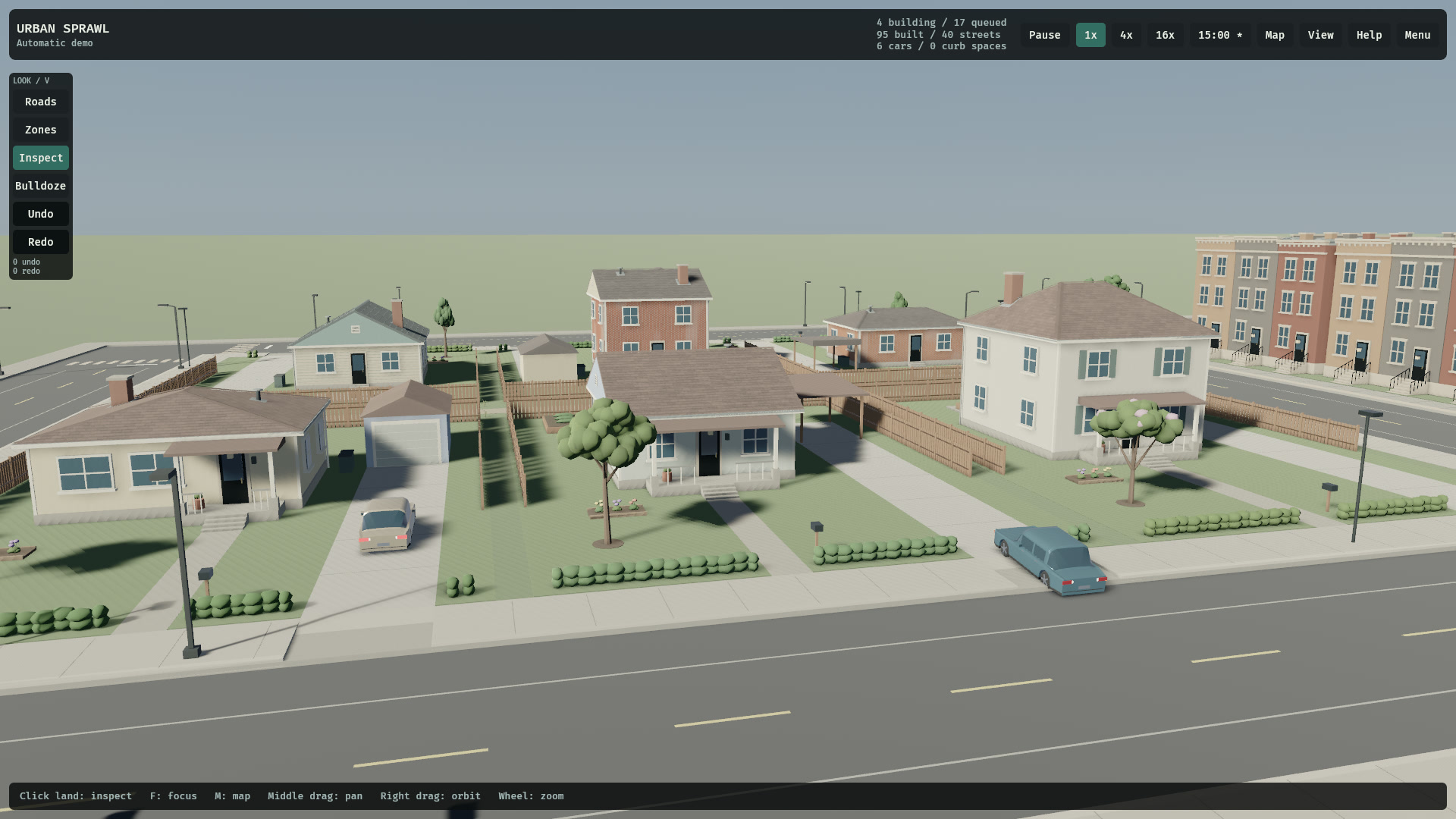
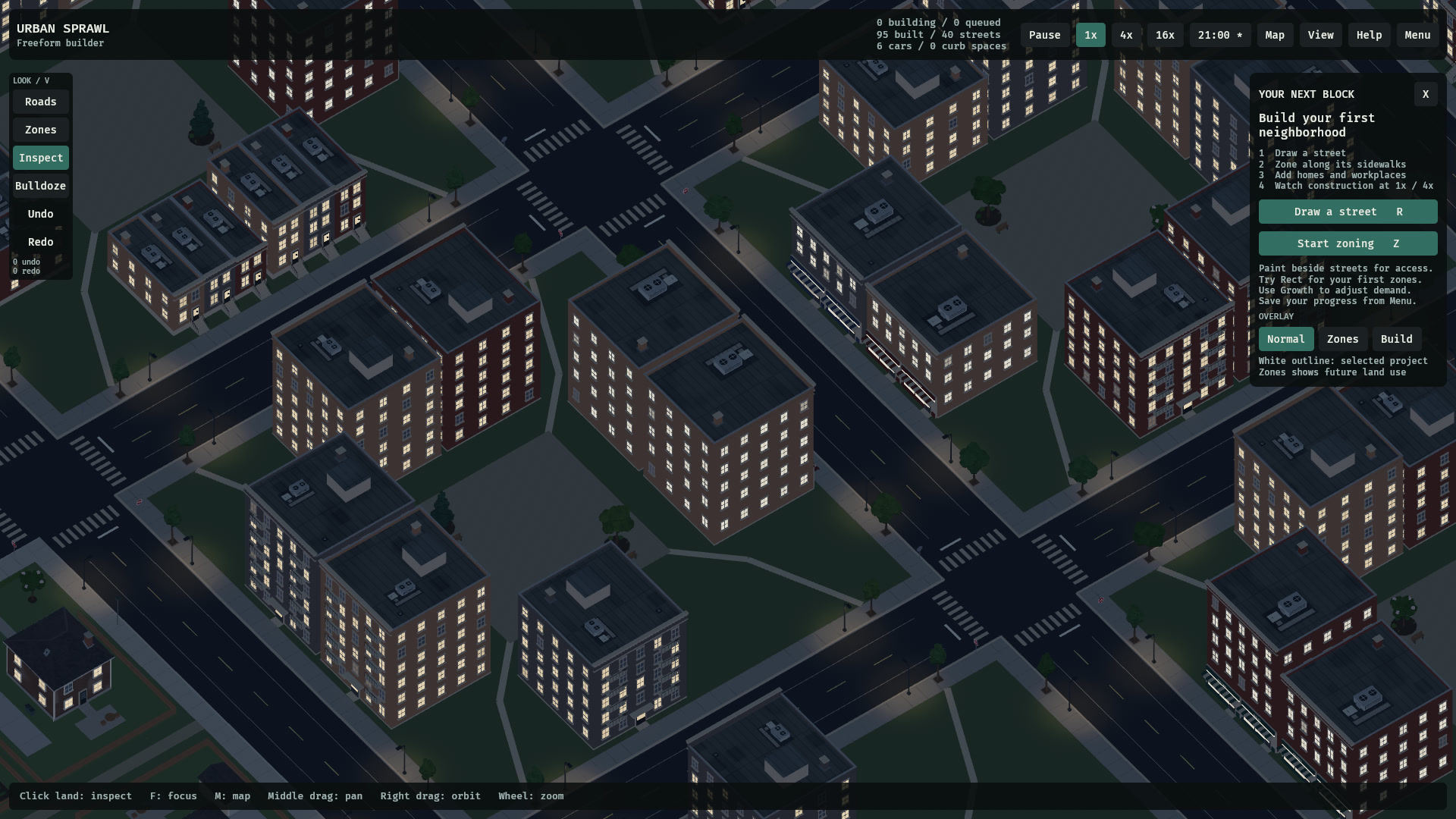
None of these cars are set dressing.
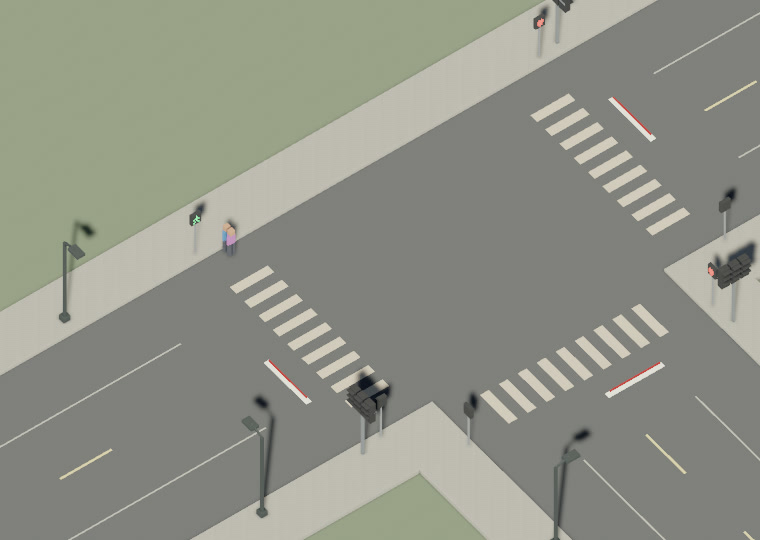
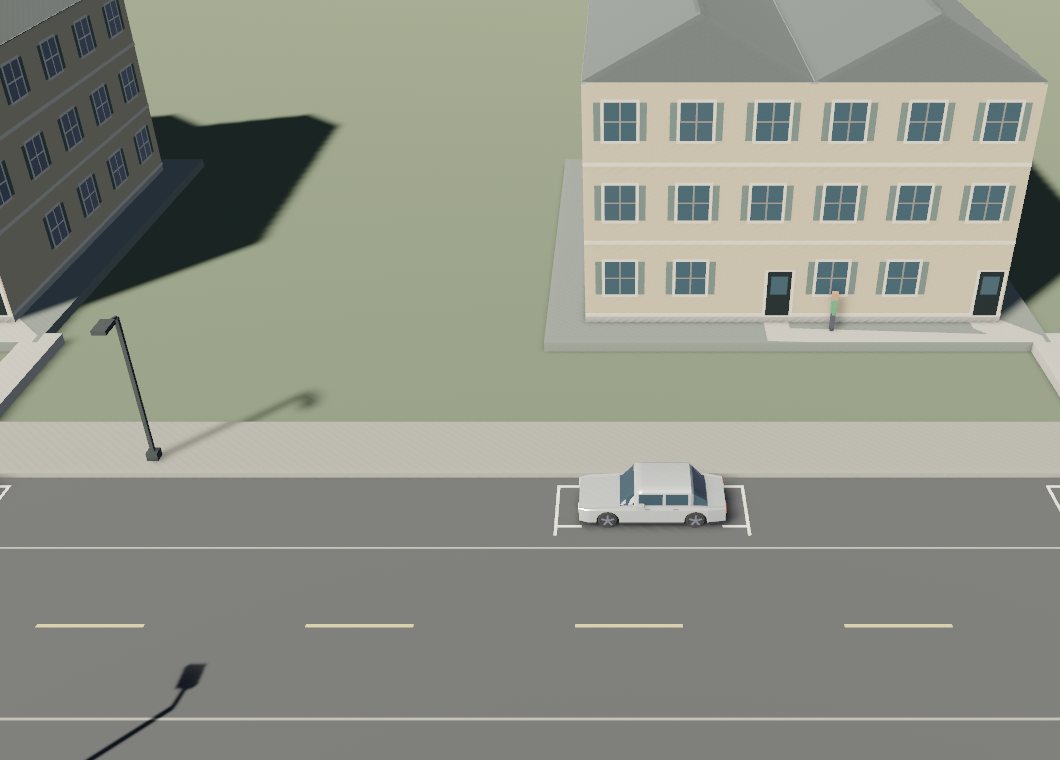
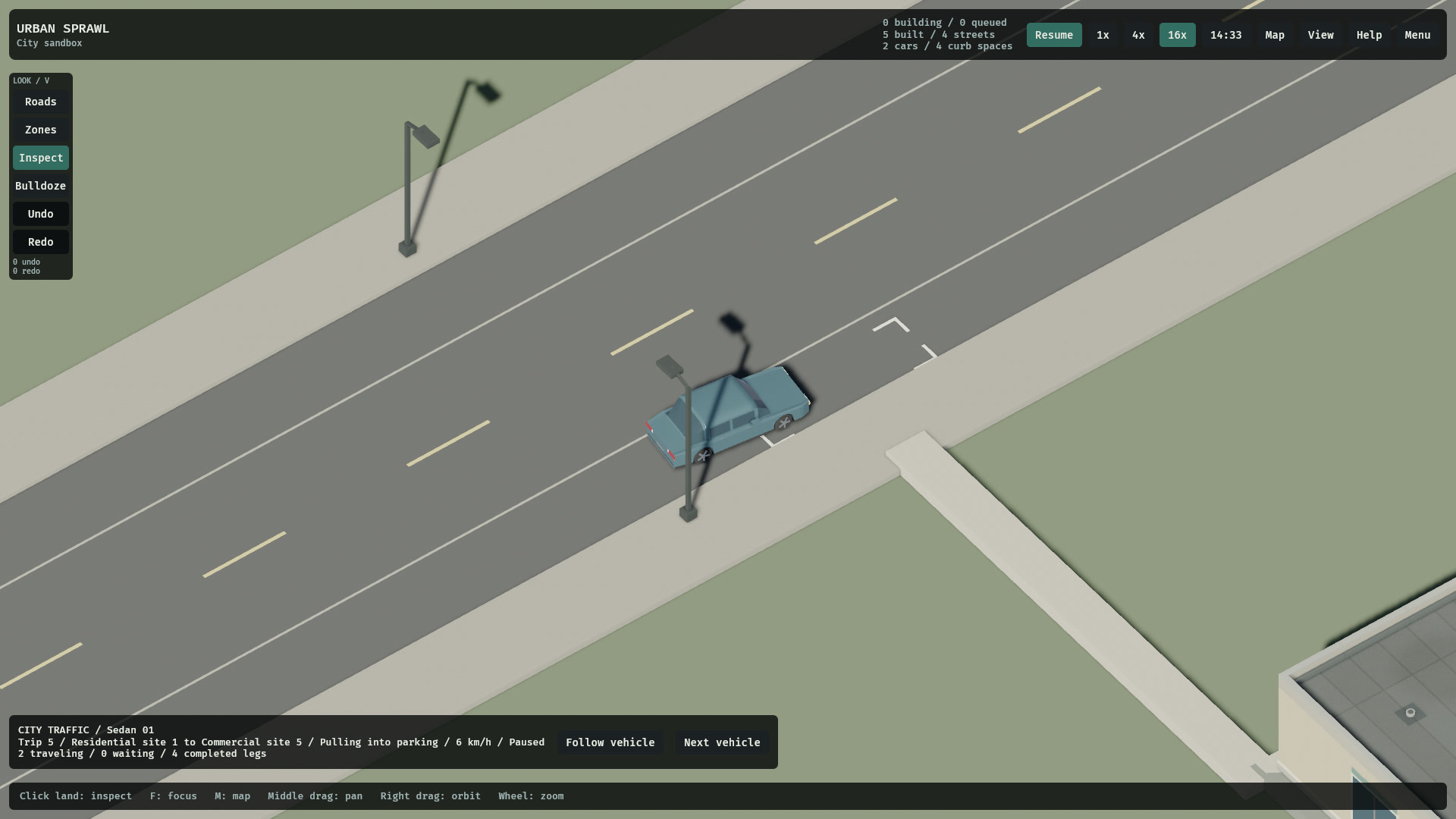
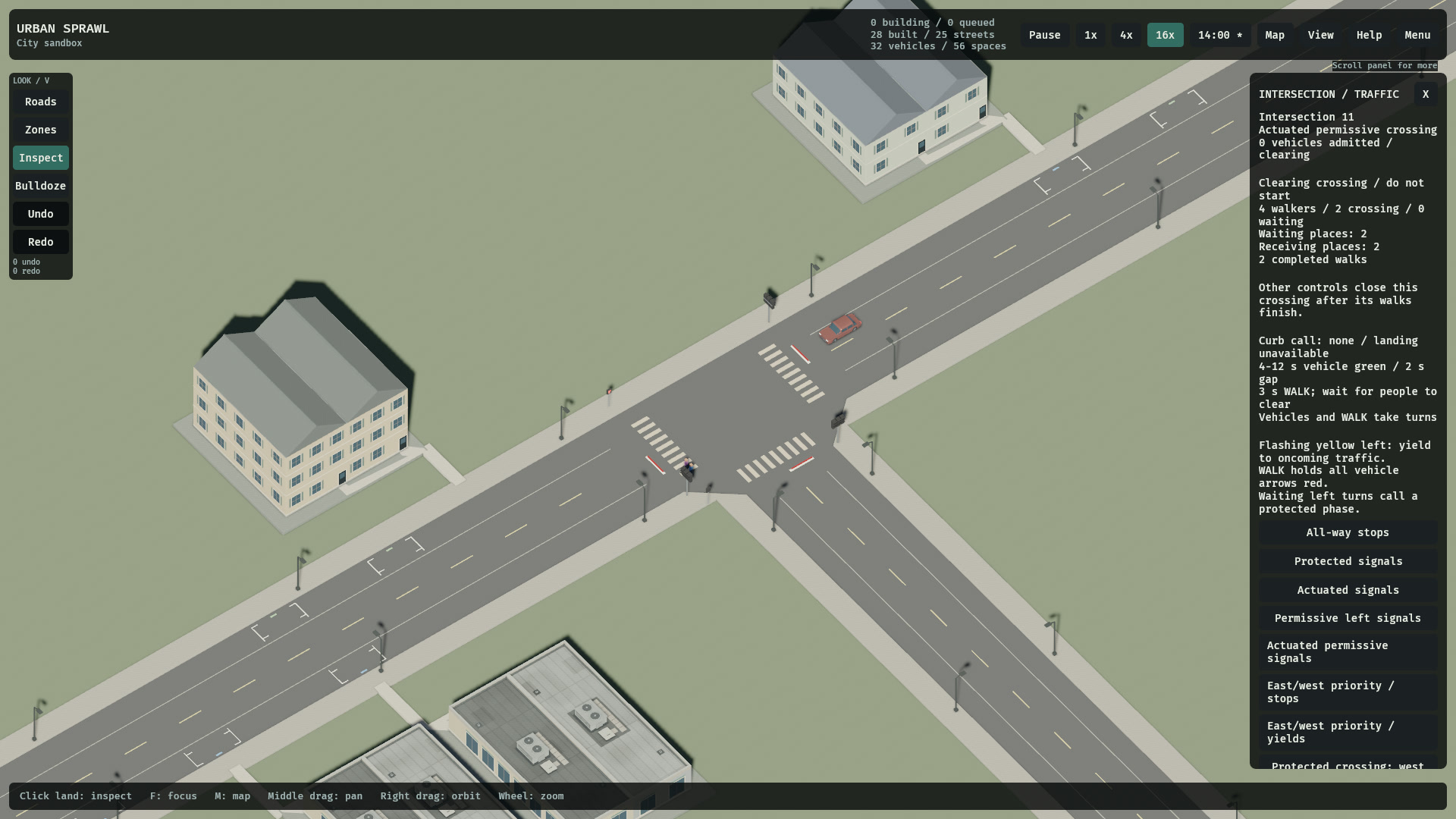
Each car belongs to a resident. It leaves home, books a parking space at its destination, drives there, and eventually heads back. In a city you start yourself, residents live in households of one to four that share a car, and they walk too: out to the car and in from it at each end of a drive, and to a nearby shop or job when that's quicker than driving, crossing at the crosswalk on every corner. Signals respond to what's actually waiting: a green ends early once its lane is empty and another direction needs it, left turns can take a gap on a flashing yellow arrow, and the walk light comes on beside the green for people waiting at the curb. Trips, parking and signal state all survive a save and reload.
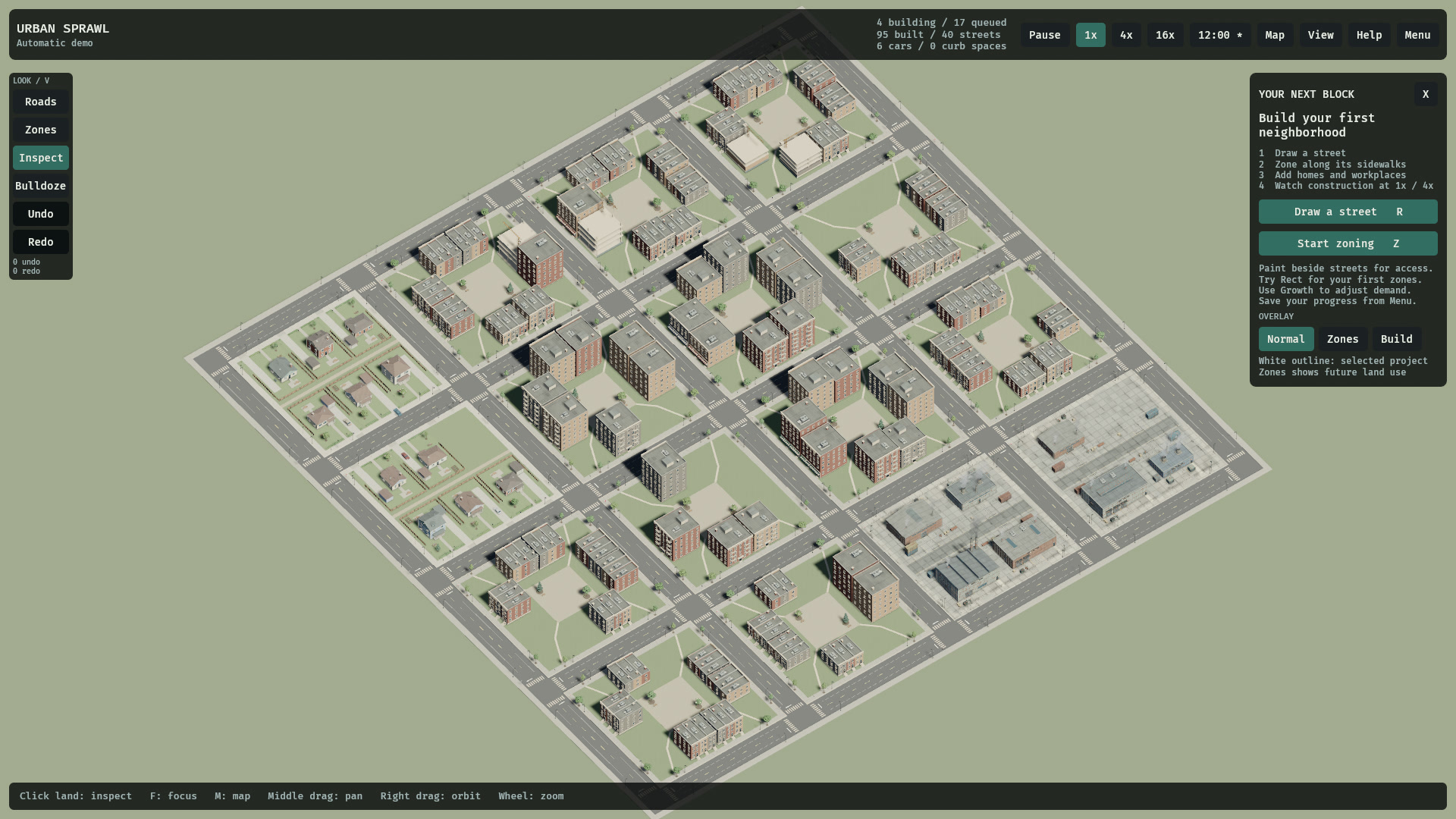
Pictured: the 32-resident test neighborhood, where 16 pedestrians share four crossings. A city you start yourself begins with room for eight resident cars and grows to 16, 32 and then 64 as you build homes for them.